This Land Has
Been Here Longer
Than Any of Us.

Over 4 centuries of this land's history remains on this land. Read the ground beneath your feet, from Comanche, to Spanish, to the modern ranchers, there are artifacts of it all here.


700+ Acres · Mills County, Texas

2026

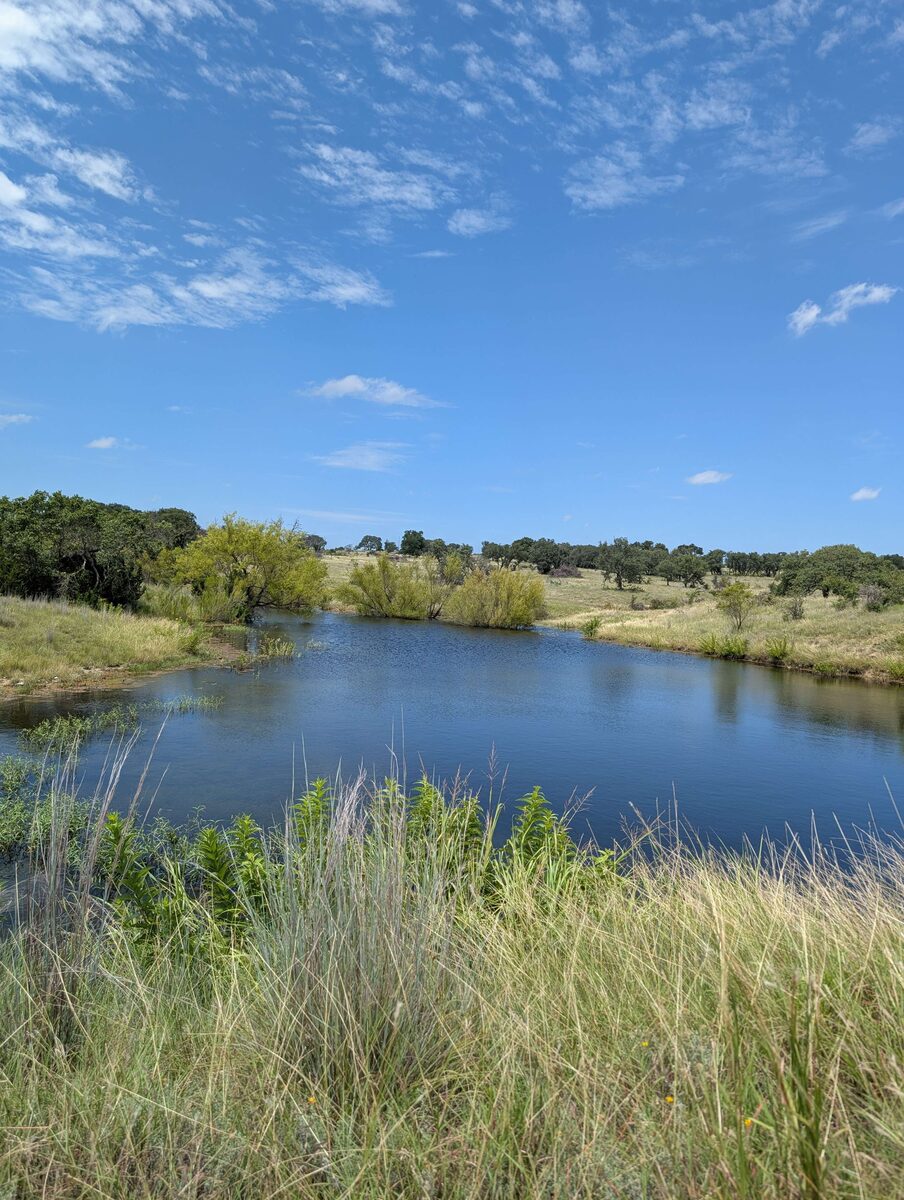
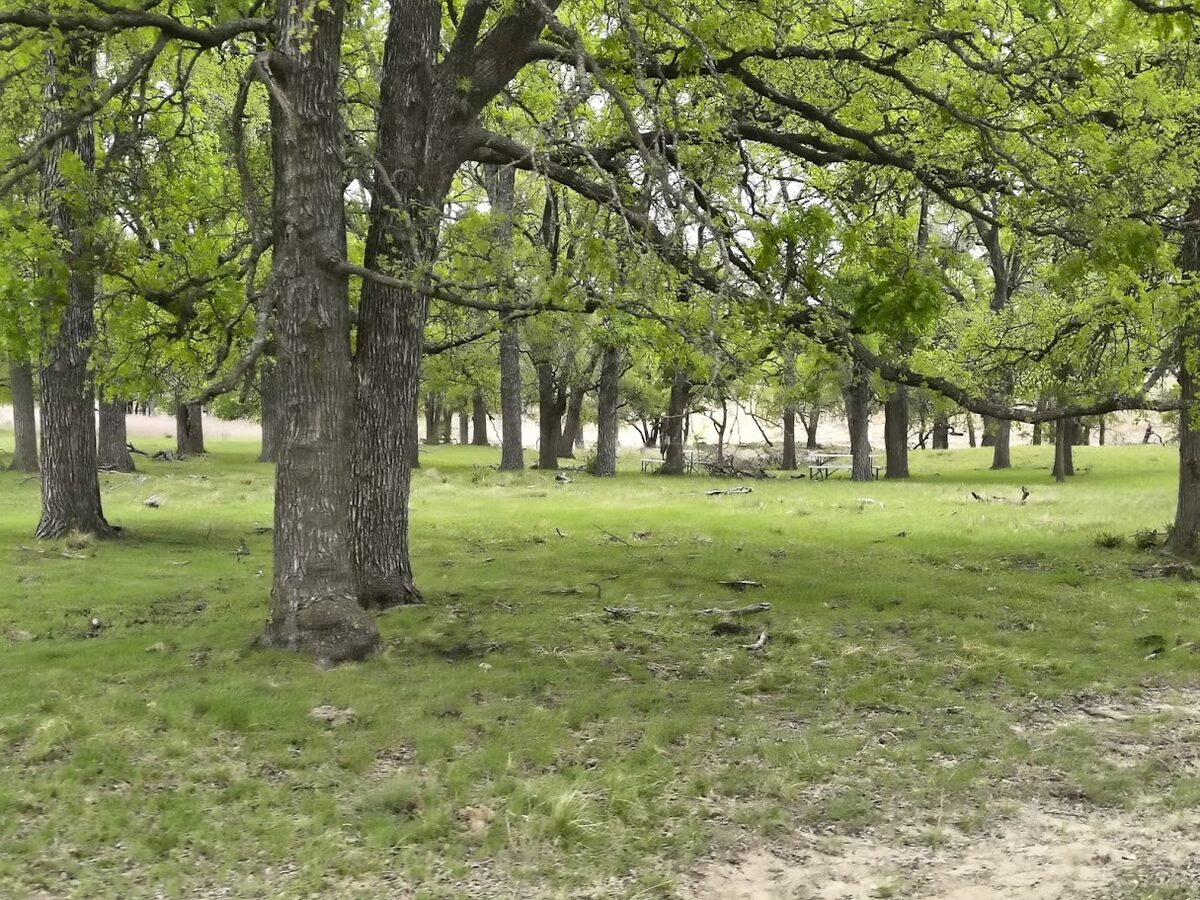
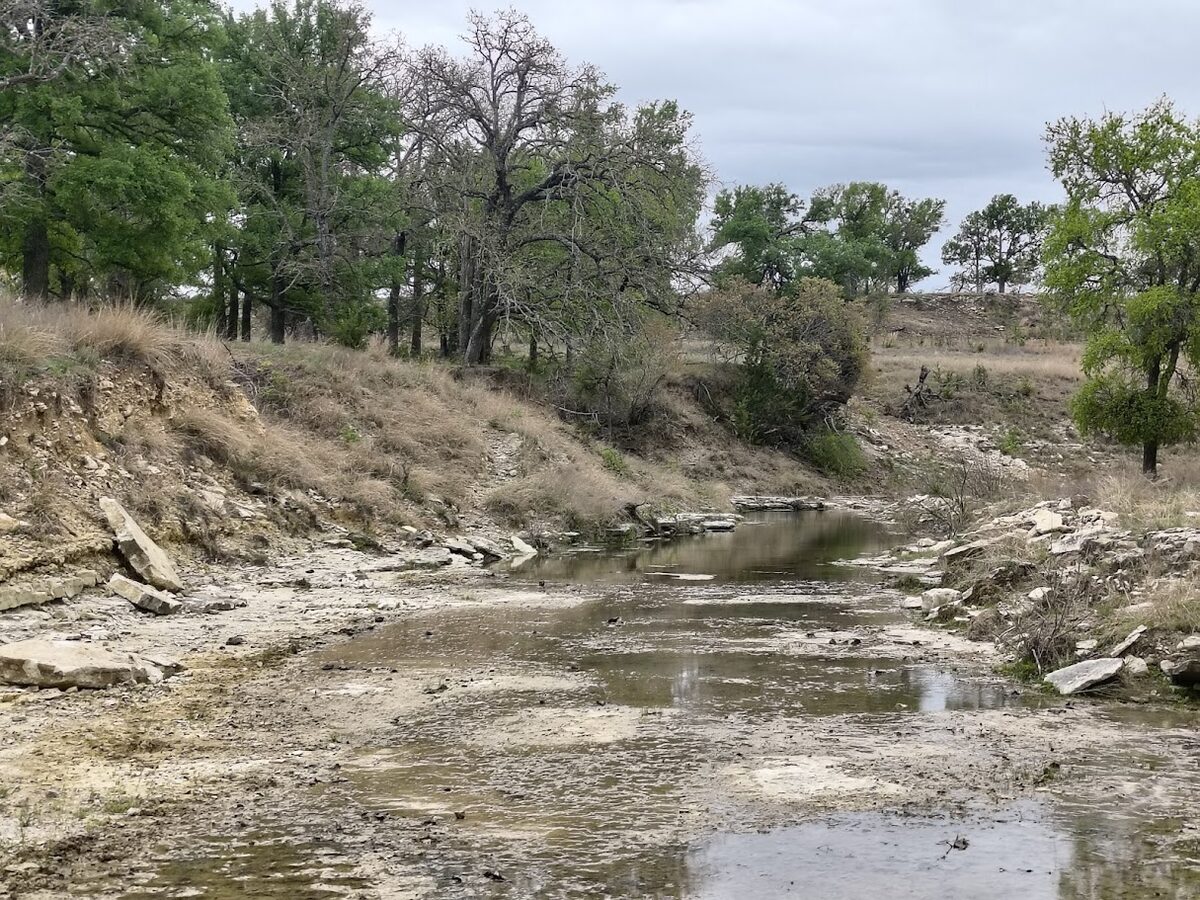
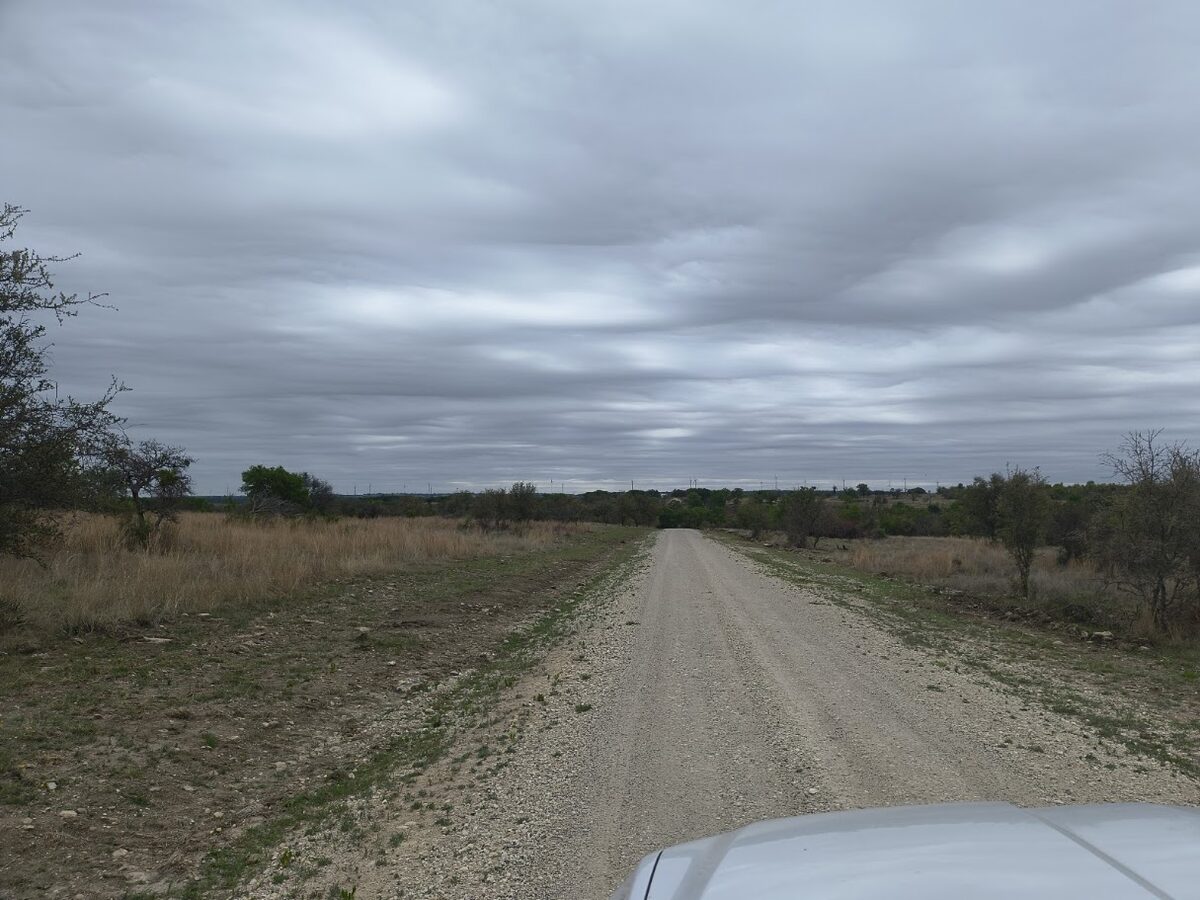
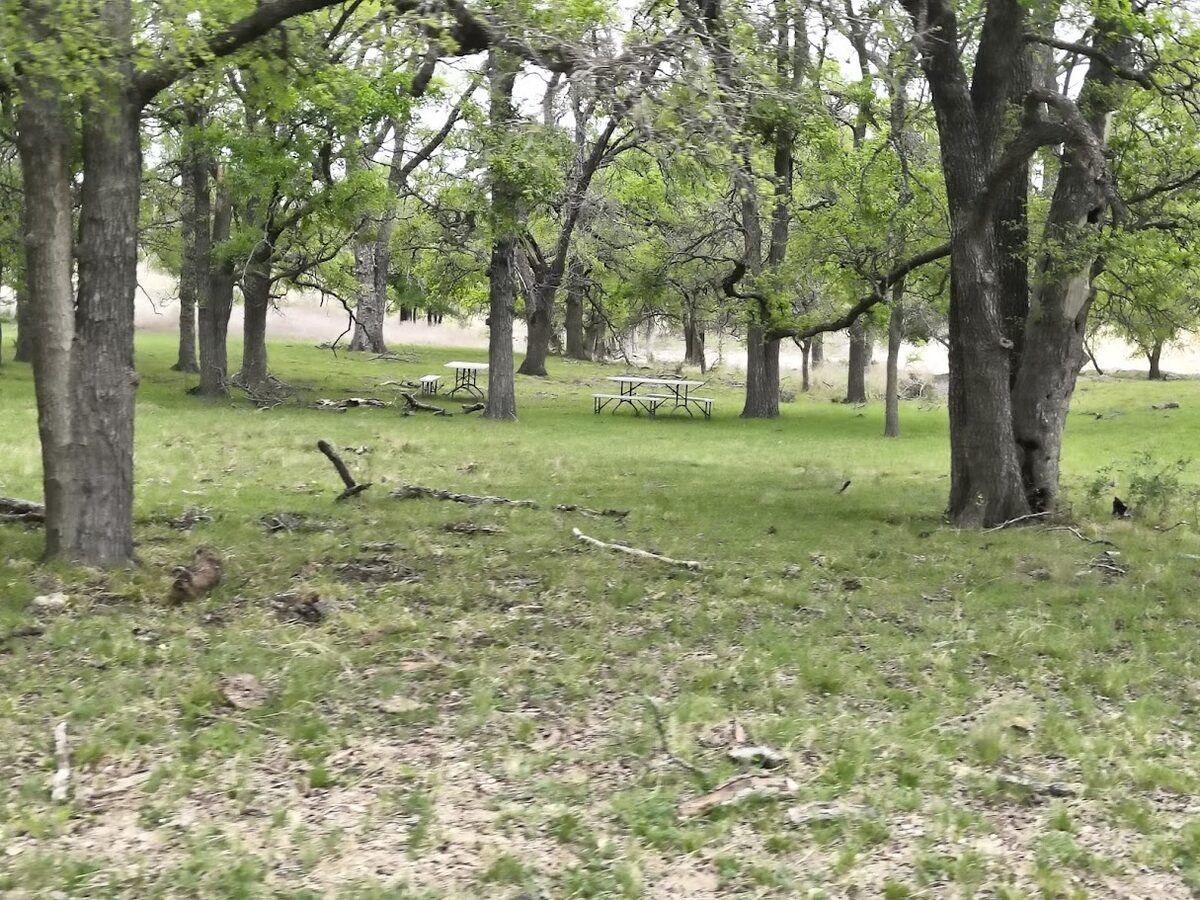
Creek crossings, open pasture, old-growth oak, limestone ridgelines, and a private lake. Here's what's available.

Open for Booking

Trail Riding

Bring your horse and ride 700+ acres of native Hill Country. Creek crossings, open pasture, old-growth oak, and limestone ridgelines. Private land, no crowds.

$25 per trailer · day access Book a Ride →
Open for Booking

Primitive Camping

Camp along the creek or near the lake. Horse-trailer friendly. Pack in, pack out — the kind of quiet you can't find at a public campground.

$25 per night · per car or trailer Pay via Venmo @BlackWhiteRanch →
2025–26 Season Full

Hunting & Fishing Leases

White-tailed deer, wild turkey, and native waterfowl on proven Central Texas ground. Private lake fishing included. Two lease options for 2026–27.

$4,000  ·  $12,000 season lease options · 2026–27 inquiries open Inquire for 2026–27 →
Open for Inquiry

Grazing Rights

Seasonal grazing on native pasture. Terms based on head count, acreage used, and management split. Land-first operators preferred.

Custom contact us to discuss terms Get in Touch →
Four Centuries

A Timeline of This Land

Click the blue words to read the full history below. Each entry connects to a deeper article on the people and events that shaped Mills County.

  Before the Horse  
Pre-1680
The Apache Hold the Southern Plains

Long before Mills County had a name, the Apache peoples ranged across the Southern Plains on foot, following the great buffalo herds. No horses yet — that world was still coming.

  1600s  
1680
The Pueblo Revolt — Horses Reach the Plains

When the Pueblo peoples of New Mexico rose against their Spanish colonizers, vast Spanish horse herds scattered into the wild. Plains peoples acquired them for the first time. Nothing would ever be the same.

  1700s  
~1700
The Comanche Emerge, Moving South

Originally of the Great Basin Shoshone, the Comanche separated as a distinct people and began migrating south — drawn by buffalo and by the horse. They were transforming into something entirely new.

1706
First Spanish Record of the Comanche

Reports reached Santa Fe that Utes and Comanches were about to attack. This is the earliest known European record of the Comanche people — already on the move, already feared.

~1724
La Gran Sierra del Fierro — The Apache Are Routed

In a nine-day battle at "The Great Mountain of Iron," northwest of Texas, the Comanche decisively defeated the Apache and drove them from the Southern Plains forever. The Comanche now controlled the land.

1784
A Governor Writes Down the History

Texas Governor Domingo Cabello y Robles formally documented the story of Comanche supremacy, recording how the Apache had been routed sixty years earlier — confirming what every person on the Plains already knew.

1786 & 1789
Pedro Vial Passes Through This Land

Spanish explorer Pedro Vial twice traveled through the region that would become Mills County while exploring routes between San Antonio and Santa Fe — the first European on record to pass through here.

~1795
Comanche Begin Trading Horses to Anglo-Americans

The Comanche were already the continent's greatest horse traders, supplying horses and mules to anyone — Spanish, French, Anglo-American. By 1795 they were selling to Anglo traders, controlling the horse economy of the Southern Plains.

~1790s
Comanche Nation at Its Height

The Comanche Nation reached an estimated population of 20,000 — a sovereign power controlling the Southern Plains. What would later be called Mills County was the heart of their world.

  1800s  
1820
Treaty of Doak's Stand

U.S. commissioners negotiate with Choctaw leaders in Mississippi. Some Choctaw voluntarily relocate west of the Mississippi. It is the beginning of a much longer removal.

1828
The First Anglo Traveler in Mills County

Captain Henry S. Brown leads a party across the Colorado River through what is now Mills County — the first documented Anglo-American to pass through, coming to recover stock stolen by Indians.

1830
Treaty of Dancing Rabbit Creek

Under tremendous pressure, Choctaw leaders sign a removal treaty. The nation's homeland in Mississippi is surrendered. Formal removal is about to begin.

1831–1833
The Choctaw Trail of Tears

Thousands of Choctaw people are forcibly marched west. Hundreds die from exposure, disease, and starvation. It is the first of the great removals — a catastrophe witnessed by a watching nation.

1836–1840
Texas Declares War on the Comanche

The Republic of Texas under President Mirabeau Lamar launched an all-out campaign to push the Comanche out of Texas entirely. In 1840, a peace council in San Antonio collapsed into bloodshed — 35 Comanche chiefs killed in what became known as the Council House Fight. Weeks later, 400 warriors rode to the Gulf Coast in the Great Raid and were crushed at Plum Creek. The era of unchallenged Comanche sovereignty on the Texas frontier had cracked open.

~1839–1850
Disease Cuts the Nation in Half

Smallpox swept through Comanche camps beginning in 1839, killing thousands. A decade later, the cholera epidemic of 1849 — carried west along emigrant trails — struck the Comanche catastrophically. In a single generation, a people of 20,000 were reduced to perhaps 5,000. No war alone could have done what disease did. The buffalo hunters and soldiers who followed were arriving into a nation already broken by plague.

1852–1857
Anglo Settlement Begins to Take Root

Dick Jenkins became the first permanent Anglo-American settler in the Mills County area in 1852. Within five years, others had followed. By 1857, a Methodist circuit rider was holding the first religious service in the cabin of Charles Mullin — neighbors gathering across the frontier. White settlement in what would become Mills County had begun to form.

1867
Medicine Lodge Treaty

Under the treaty, the Comanche agree to a reservation in Indian Territory — present-day Oklahoma. Most refuse to go. The free range is ending, but the Comanche are not yet done.

1869
The Vigilante Wars Begin

A reign of terror erupts in Williams Ranch. Committees formed to combat outlaws become outlaws themselves. Lynchings and assassinations become commonplace across Mills County.

1874–1875
Red River War — The Last Free Comanche

U.S. Army forces converge on the Staked Plains. After the Battle of Palo Duro Canyon, the last free Comanche bands surrender and are confined to the Oklahoma reservation. Four centuries of sovereignty on these Plains has ended.

1877
Williams Ranch Post Office

The first post office in what is now Mills County opens at Williams Ranch. Between 1881 and 1884, 250 people will call it home — the county's first real town.

1885
The Railroad Arrives

The Gulf, Colorado and Santa Fe Railway lays tracks into the region, spurring a surge of settlement and growing demands for the area to be organized into its own county.

1887
Mills County Is Born

The Texas legislature carves Mills County from parts of Brown, Comanche, Hamilton, and Lampasas counties. Goldthwaite becomes the county seat — and it has been ever since.

1897
The Texas Rangers Ride In

The Rangers finally break up the last vigilante group, gathered at Buzzard Roost. After nearly thirty years, the era of lawlessness that had plagued Mills County comes to an end.

  1900s  
1900
An Agricultural County Established

Mills County records 680 farms and ranches covering 142,299 acres. Nearly 25,000 cattle and 23,000 sheep graze the land. The county's identity as ranching country is fully established.

1904
Irk & Minnie Black Found the Ranch

Irk and Minnie Black migrate to the area and purchase hundreds of acres along what will become Highway 84. They are starting something — a ranch, a name, a legacy that their grandchildren still carry.

Read History:
Article One

Mills County, Texas


Mills County sits where the Texas Hill Country gives way to the rolling Central Plains — creek-cut limestone country, native pasture, and old-growth oak. It has been a hunting ground, a battleground, a railroad boomtown, and a ranching stronghold. This is its history.

Explorers and Early Travelers

In earlier times the region was a hunting ground for Apaches and Comanches, who fought over it until the mid-nineteenth century. Although the area lay off the main routes of Spanish exploration, the land was not entirely unknown to Europeans.

Pedro Vial — a French-born explorer working for the Spanish Crown — passed through the Mills County area in both 1786 and 1789 while blazing a route between San Antonio and Santa Fe. He moved through a landscape entirely shaped by Indigenous peoples: Comanche territory, rich in game, cut by creeks and limestone ridgelines that have not changed much since.

The first documented Anglo-American traveler was Captain Henry S. Brown, who led a party across the Colorado River through the area in 1828 — not to settle, but to recover livestock stolen by Indians. He saw the land, but he did not stay.

Land & Water Mills County's terrain is defined by the Colorado River to the south and east, the Pecan Bayou to the north, and numerous spring-fed creeks throughout. The land holds water well — and wherever the water runs, people and animals have always followed.

The First Settlers

The first permanent settler, Dick Jenkins, established himself in the area in 1852. He was soon followed by others: D. S. and Sam Hanna, W. Lee Brooks, B. F. Gholson, John Williams, R. D. Forsythe, and Mr. and Mrs. Mose Jackson. These were people willing to live at the edge of everything — the frontier was not a metaphor here; it was their front yard.

Among the earliest settlers were German immigrants who had fled the political upheavals of Europe and found themselves in a land of extremes. One of them described their new home with sharp-tongued practicality:

"A place that was a heaven for men and dogs — but hell for women and oxen." — German Settler, Mills County, circa 1850s

Like the Indians before them, the first settlers subsisted primarily on hunting. The land fed you if you knew how to read it — and the Comanche, who were still ranging across this country, knew it far better than any newcomer did.

A Community Takes Shape

A Methodist circuit rider held the first religious service in the county in 1857, gathering neighbors in the cabin of Charles Mullin. It was a small act — a preacher, a borrowed cabin, a handful of families — but it marked something: the settlers were no longer just surviving. They were building something.

The community that grew was rough-hewn and self-reliant, shaped by the rhythms of ranching and the constant awareness of isolation. There were no hospitals, no courthouses, no formal law. Disputes were settled between neighbors, and justice — such as it was — was personal.

Outlaws, Vigilantes, and Rangers

During the Civil War and for decades afterward, white outlaws caused settlers more trouble than Indians did. Cattle rustlers, horse thieves, murderers, army deserters, and fugitives moved through the region freely. The formal institutions of law enforcement were distant or absent entirely.

Vigilante committees formed to deal with criminals — but then these groups degenerated into warring mobs, committing the very crimes they had been organized to stop. A reign of terror followed conflicts between vigilante groups, which broke out at Williams Ranch in 1869. Vigilantes drove out some bad characters but killed other innocent men. Lynchings and assassinations became commonplace across the county.

The turbulence lasted nearly thirty years. It was not until 1897 that the Texas Rangers finally rode in and broke up a vigilante group that had long gathered at Buzzard Roost. The era of lawlessness that had defined much of the county's first decades was over.

The Ranger Tradition The Texas Rangers were established in 1835 and served as the primary law enforcement on the Texas frontier for much of the 19th century. Their arrival in Mills County in 1897 represented the final extension of state authority into one of Texas's last truly lawless corners.

Organization and Growth

The first post office in what is now Mills County was established at Williams Ranch in 1877. The town became the center for the area — between 1881 and 1884, 250 people lived there, making it the county's first real population center.

Everything changed in 1885, when the Gulf, Colorado and Santa Fe Railway built tracks into the region. The railroad meant commerce, migration, and modernity. Settlement accelerated. Within two years, the population had grown large enough to demand formal organization.

In 1887, the Texas state legislature carved Mills County from lands formerly assigned to Brown, Comanche, Hamilton, and Lampasas counties. Goldthwaite was designated the county seat. By 1900, the county had 680 farms and ranches covering 142,299 acres, with nearly 25,000 cattle and 23,000 sheep reported across the land.

The county was named for John T. Mills, a justice of the Texas Supreme Court — a man of the law giving his name to a place that had spent its first decades without much of it.

The Black Family

In 1904, Irk and Minnie Black migrated to the area and purchased hundreds of acres of land along what would become Highway 84, founding what their descendants would carry forward as Black & White Ranch. They were part of a larger wave of families putting down roots in a county that was finally stable, organized, and open to a different kind of future.

What began as a working ranch in the early twentieth century has remained in the family across generations — each one leaving the land better than they found it. The name Black & White Ranch honors Joe White and Neta Fay Black, the grandparents who poured themselves into these acres and made the name mean something. Their grandchildren, Dakota and Cheyenne, are the current stewards of more than a century of legacy on this land.

Article Two

The Plains Indians (pre-1700s – 1875)


For centuries before any settler arrived, the Southern Plains were governed by a people who became the finest horse culture the world has ever seen. The Comanche — and the Apache before them — held this land, shaped it, and were shaped by it in return. Their history is the history of this ground.

Before the Horse

Before the horse arrived, the Apache were the dominant people of the Southern Plains. They were skilled hunters and warriors who followed the buffalo on foot, living in a way that was adapted over generations to the rhythms of the land. The Comanche had not yet arrived. The plains belonged to the Apache and to the silence of open country stretching to every horizon.

The horse was not native to the Americas in historical times. It had been extinct on this continent for thousands of years before the Spanish reintroduced it in the sixteenth century. When the Spanish brought their horses to the New World, they could not have foreseen what would happen next.

The Pueblo Revolt and the Horse Revolution

In 1680, the Pueblo peoples of New Mexico rose against their Spanish colonizers in one of the most successful Indigenous revolts in North American history. The Spanish were driven out of Santa Fe. In the chaos, vast Spanish horse herds were abandoned and scattered.

The horses moved outward from the Southwest along trade networks and across the plains. Various Plains peoples acquired them — and within a generation, the entire culture of the Southern Plains had been transformed. The horse did not merely change how people traveled. It changed war, trade, child-rearing, ceremony, spirituality, and the entire relationship between people and the land.

It was probably some time before the horses were numerous enough to be transformative — but once they reached critical mass, the change was permanent and total. No people on earth adapted to the horse more completely than the Comanche.

The Horse and the Buffalo Before horses, a buffalo hunt required entire communities working together to drive herds over cliffs or into enclosures. A mounted hunter could pursue and take a single animal at full gallop. The horse made hunting more efficient, more individual, and far more dangerous — and it made the Comanche's expansion onto the Southern Plains not just possible, but inevitable.

The Comanche Emerge

The Comanche are originally of the Great Basin Shoshone — a people of the high desert country far to the north and west. As the Shoshone expanded and diversified, the Comanche slowly developed as a distinct people. After the Pueblo Revolt of 1680 gave horses to the Plains, the Comanche began migrating south — drawn by buffalo, and by the horse itself.

They came south in part to find buffalo and in part to find more horses. What they found was a world that suited them perfectly: open grassland, abundant game, and room to move. The Comanche have the longest documented existence as horse-mounted Plains peoples. They did not just adopt the horse — they built their entire civilization around it.

Lords of the Southern Plains

The earliest reference to the Comanche in Spanish records dates from 1706, when reports reached Santa Fe that Utes and Comanches were about to attack. They were already a force to be reckoned with — already pushing south, already displacing the Apache who had held these plains for generations.

In the Comanche advance, the Apaches were driven off the Plains. By the end of the 18th century, the struggle between Comanche and Apache had assumed legendary proportions. In 1784, in recounting the history of the Southern Plains, Texas Governor Domingo Cabello y Robles recorded that some sixty years earlier — approximately 1724 — the Apache had been routed from the Southern Plains in a nine-day battle at La Gran Sierra del Fierro, "The Great Mountain of Iron," somewhere northwest of Texas.

After this defeat, the Apache retreated to the margins. The Comanche held the center. What would become Mills County was firmly within Comanche territory — a hunting ground and a corridor for movement between the Texas Hill Country and the vast open plains to the north.

By the 1790s, the Comanche Nation had reached an estimated population of 20,000 — a sovereign power by any measure. They maintained an ambiguous relationship with Europeans and later Anglo-American settlers attempting to colonize their territory: trading with some, raiding others, always on their own terms.

A Life Built on Horses

Horses became the central element of Comanche culture — the basis of their economy, their warfare, their social status, and their spiritual life. The Comanche were not simply people who used horses. They were a horse people in the deepest sense: their world was organized around the horse and its care.

The Comanche supplied horses and mules to all comers. As early as 1795, Comanche were selling horses to Anglo-American traders. They operated what amounted to the largest horse market on the continent, acquiring animals through breeding, raiding, and trade, then redistributing them across a vast network. A wealthy Comanche family might own hundreds of horses.

They were formidable warriors who developed extraordinary strategies for fighting on horseback, adapting traditional weapons — the bow, the lance, the shield — for mounted combat. Their horsemanship was recognized by everyone who witnessed it as something unprecedented: precise, fast, and seemingly effortless.

"The Comanche, like the Tartars of old, surround themselves with herds of horses, which constitute their principal wealth, and on which they become exceedingly expert riders." — Contemporary account, 19th century

Their raids into Mexico traditionally took place during the full moon, when they could see to ride at night. This led to the term "Comanche Moon" — the full moon under which they rode south for horses, captives, and weapons. The phrase was known and feared all the way to Mexico City.

Comanche Society and the Raising of Children

The Comanche looked on their children as their most precious gift. Children were rarely punished harshly. They learned from example — by observing and listening to parents and others in the band. Life lessons came not through instruction but through watching, imitating, and being present.

As soon as a girl was old enough to walk, she followed her mother through the camp, playing at the daily tasks of cooking and making clothing. She was close to her mother's sisters — who were called not aunt but pia, meaning mother. She was given a small deerskin doll, which she took with her everywhere, and learned through play to make all the clothing for it.

A boy identified with his father, his father's family, and the bravest warriors in the band. He was taught to ride before he could walk. By the time he was four or five, he was expected to handle a horse skillfully. When he was five or six, he was given a small bow and arrows.

"He learned to ride a horse before he could walk." — Description of Comanche boyhood, 19th century

Often it was a boy's grandfather who taught him to ride and shoot — since his father and other warriors were away on raids and hunts. The grandfather also taught him the history and legends of the Comanche. When a young man was ready to become a warrior, at about age 15 or 16, he first "made his medicine" by going on a vision quest. Following this rite of passage, his father gave him a good horse to ride into battle and another mount for the trail.

The Comanche Moon

Warfare was a major part of Comanche life — not a last resort, but a regular season, as predictable as harvest. Their raids into Mexico and into Anglo Texas traditionally took place during the full moon, when they could ride at night and see clearly for miles across the open plains. This led to the term "Comanche Moon" — the full moon that signaled raids for horses, captives, and weapons.

The Comanche maintained an ambiguous relationship with Europeans and settlers. They were willing to trade — horses, meat, buffalo robes — but they were equally willing to raid. Their sovereignty over the Southern Plains was not theoretical. It was enforced. For much of the eighteenth and early nineteenth centuries, the Comanche effectively blocked Spanish, and later Mexican and American, expansion into the interior of Texas.

The land now called Mills County lay within the range of these movements — a place Comanche riders knew intimately: its creeks, its canyons, its corridors north and south.

The End of the Free Range

Outbreaks of smallpox and cholera took a devastating toll on the Comanche through the late eighteenth and early nineteenth centuries. A population estimated at 20,000 in the 1790s had dropped to just a few thousand by the 1870s — not through defeat in battle, but through disease. The world the Comanche had built was eroding from the inside out.

The Medicine Lodge Treaty of 1867 nominally confined the Comanche to a reservation in Indian Territory — present-day Oklahoma. But most bands refused to go, and the Army lacked the strength to force the issue. For several more years, Comanche raids continued across Texas and into Mexico.

The end came in 1874–1875, with the Red River War. U.S. Army columns converged on the Staked Plains from multiple directions, relentlessly pursuing Comanche bands through the summer and into the fall. The decisive engagement was the Battle of Palo Duro Canyon in September 1874 — the Army did not defeat the Comanche there so much as destroy their winter camps and their horse herds. Without horses, without food, without shelter, the bands could not survive another season on the open plains.

One by one, the bands surrendered and were brought to the reservation at Fort Sill, Oklahoma. The last free Comanche came in during 1875. The remaining people were consolidated into the modern Comanche Nation, headquartered in Lawton, Oklahoma, where they continue today.

"We have no more land. The buffalo are gone. Our children are hungry. We fight no more." — Paraphrase of Comanche surrender, 1875

The land they had held for nearly two centuries — this land, where the Hill Country creeks run through limestone canyons and the open pasture stretches north toward the plains — passed into other hands. What the Comanche had known as a living world became, officially, a county called Mills.

Article Three

The Choctaw Nation


Dakota and Cheyenne carry Choctaw ancestry — a people whose survival story runs through the same era as the Comanche's decline: forced removal, the Trail of Tears, exile to Oklahoma, and the endurance of identity across impossible odds. This article is in progress.

Treaty of Doak's Stand & Removal to Texas

This Section Is In Progress

The Trail of Tears

This Section Is In Progress

Choctaw Presence in Texas

This Section Is In Progress